
Understanding What Carpet Density Really Means
When choosing a carpet, many people focus on colour, texture and pile style, but density is just as important. Carpet density refers to how closely packed the fibres are within the pile. A denser carpet contains more fibres per square inch, which influences how the surface feels underfoot and how well it stands up to daily use.
Anyone exploring options for carpets in Falkirk will quickly notice that carpets can look similar at first glance but feel completely different once you step on them. That difference often comes down to density. A dense carpet feels firmer and more supportive, while a looser construction may feel softer initially but compress more quickly over time.
Comfort Underfoot and Everyday Feel
Higher density carpets tend to provide a more stable feel underfoot. The fibres support weight more evenly, which reduces that “sinking” sensation that some softer carpets can develop. This makes dense carpets particularly comfortable in living rooms, staircases and areas where people stand or walk frequently.
Lower density carpets can still feel pleasant, especially in bedrooms or quieter areas. They often feel softer initially and may suit spaces where comfort is prioritised over heavy wear. Pairing a lower density carpet with a good quality underlay can also improve comfort and reduce flattening.
Durability and Long Term Performance
Density has a direct influence on how well a carpet holds its appearance over time. In busy households, foot traffic gradually bends and compresses fibres. A dense carpet resists this compression more effectively, helping it maintain its shape and texture for longer.
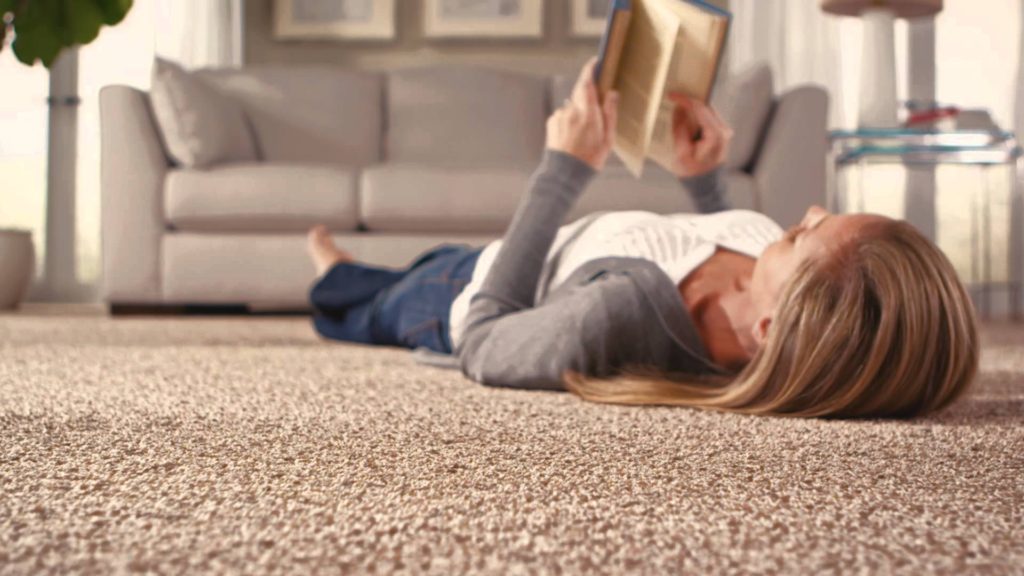
This becomes particularly noticeable in hallways, landings and seating areas where wear concentrates. A loosely packed carpet may show visible traffic lines and flattening much sooner. Choosing a higher density option can reduce how quickly these signs appear, helping the carpet stay presentable for many years.
Appearance and Visual Quality
Density also affects how a carpet looks. A dense carpet tends to appear richer and more uniform because the fibres stand upright and fill the surface evenly. Colours often look deeper and more consistent, and patterns appear sharper.
Lower density carpets may show shading, footprints and vacuum marks more easily. While some homeowners like this textured look, others prefer the smoother appearance that denser construction provides. Lighting also plays a part, as natural light highlights fibre movement more strongly on looser carpets.
How to Assess Carpet Density When Shopping
One simple way to test density is the pinch test. Pinch the carpet fibres between your fingers and see how easily you can reach the backing. If the backing is difficult to touch, the carpet is likely dense. If you can feel it quickly, the fibres are more loosely packed.
Weight is another indicator. Heavier carpets usually contain more fibre per square metre, which often means better durability. Always ask for product specifications so you can compare density, pile height and fibre type together rather than judging on appearance alone.
Choosing the right density ensures your carpet delivers both comfort and long term value, creating a surface that looks good and feels right every day.

