
A sticking back door, a draughty side entrance or a dated front door can affect far more than appearance. Good doors in Stirling need to stand up to Scottish weather, support home security and suit the character of the property they are fitted to.
Doors are used every day, often without much thought until something goes wrong. A handle becomes loose. A lock feels awkward. Rain starts getting past the threshold. The hallway feels colder. These signs can suggest that an older door is no longer doing its job properly.
A Door Has To Handle Daily Wear
External doors deal with constant use. Families come in and out with shopping, school bags, pets, bikes and muddy shoes. Back doors may be opened repeatedly into gardens, patios or utility spaces. Side doors may take heavy use but receive little attention.
Over time, doors can warp, seals can perish and hinges can wear. In exposed locations, wind and rain can make these weaknesses more obvious. A door that does not close cleanly can let in draughts and make the property feel less secure.
Choosing a replacement means thinking about durability as well as style. A door should suit the way the household lives, not just look good from the street.
Security Starts With The Whole Door Set
A secure door is not only about the lock. The frame, hinges, glazing, cylinder, handles and installation all matter. A strong door fitted poorly will not perform as well as it should.
Modern external doors often include multi-point locking systems, reinforced construction and improved frame design. These features can help provide reassurance, especially for accessible entrances, rear doors and homes close to public paths or shared spaces.
Glazed panels should also be considered carefully. They can bring useful light into halls or utility areas, but they should be chosen with privacy and security in mind.
Insulation Can Make Entrances More Comfortable
Hallways, kitchens and utility rooms often feel colder when doors are old or badly sealed. This can be particularly noticeable in Stirling during wet, windy or frosty weather.
A well-fitted modern door can help reduce draughts and improve thermal performance. Insulated cores, proper seals and accurate installation all contribute to a more comfortable entrance area.
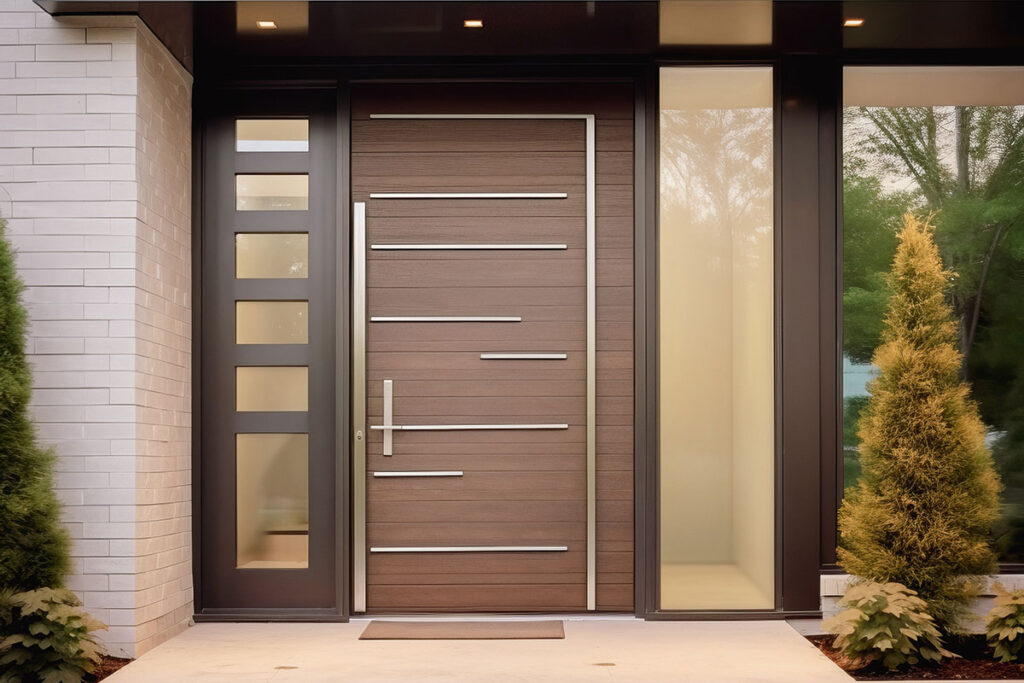 This is not just about warmth. A door that closes firmly and keeps out weather makes the home feel better maintained and easier to live in.
Style Should Work With The Whole Home
Doors have a strong visual impact. A front door can change the character of a property instantly, while a back or side door affects how practical the home feels from the garden or driveway.
Traditional properties may suit panelled designs, muted colours or heritage-inspired hardware. Newer homes may work better with simpler styles, clean glazing and modern finishes. The door should complement the windows, brickwork, stone, render and roofline rather than competing with them.
It is also worth considering whether the property has any planning restrictions, particularly in conservation areas or older buildings.
Small Details Influence Everyday Use
Threshold height, handle position, letterplate placement, glazing style and opening direction can all affect how a door works in real life. These details are easy to overlook until the door is fitted.
A family with young children may value easy cleaning and robust finishes. Someone who works from home may care about security and noise reduction. A homeowner planning to stay long term may want a low-maintenance option that will remain smart with minimal upkeep.
A door is a practical feature, but it also shapes how a home feels. When chosen carefully, it improves warmth, security, appearance and daily convenience without drawing unnecessary attention to itself.

