
A roof can receive plenty of sunlight and still need work before it is ready for an installation. For homeowners considering solar rooftop in Thailand, the first useful question is whether the building can accommodate the proposed equipment and remain straightforward to maintain. Checking the roof early helps separate a realistic installation plan from a quotation based mainly on panel numbers.
Existing roof problems affect the installation sequence
Tell the surveyor about leaks, previous repairs and any plans to replace the roof covering. A surface that looks satisfactory from the ground may still need closer assessment by a suitable professional. Ask for a clear recommendation about work that should happen before installation, including the reason for any proposed repair.
The timing matters because future roof work may involve removing and reinstalling solar equipment. If replacement is already likely, compare the cost and disruption of coordinating the two projects with doing them separately. Neither a new roof nor the removal of existing panels should be assumed necessary without assessing the actual condition and proposed work.
Structural suitability needs more than a panel layout
A drawing showing where panels fit does not establish that the roof and its connections can support the installation. Ask who will assess structural suitability, what information they need and how the mounting arrangement will be specified for the property. Where engineering input is required, it should form part of the agreed project scope.
Clarify how mounting work will protect the roof’s weather resistance and who takes responsibility for related workmanship. If a roofing contractor and solar installer are both involved, their responsibilities should connect clearly. The homeowner needs to know whom to contact if a problem appears, rather than being left to resolve uncertainty between two businesses.
Shade and access reduce the space available
Usable roof area is not necessarily the same as total roof area. Ask the designer to account for nearby obstructions, existing equipment and the space needed for inspection and maintenance. A photograph taken at one time of day cannot, by itself, explain how shading will affect the proposed layout throughout the year.
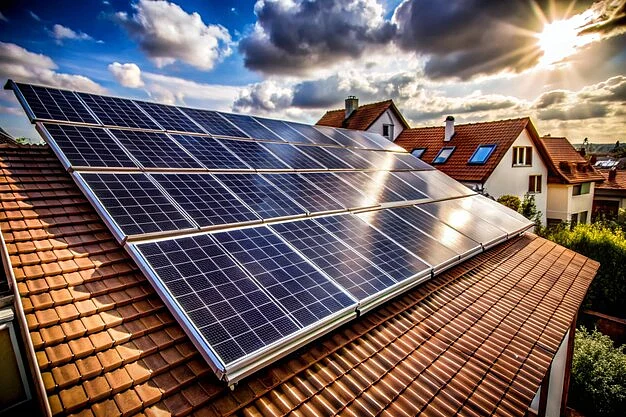 Request a generation estimate based on the actual design and its stated assumptions. Where two quotations use different roof sections or layouts, ask why their forecasts differ. A proposal that uses fewer panels may still deserve consideration if it provides a more practical arrangement, although the financial comparison should be assessed separately against the household’s electricity use.
Cable routes and equipment locations belong in the survey
Discuss where cables will run and where the inverter and other equipment will be installed. These decisions affect the finished appearance, access for servicing and the work needed within the property. Ask the installer to explain how the chosen locations meet the equipment’s installation requirements.
An electrical assessment should identify any additional work needed before the system can operate. The quotation should also explain responsibility for the relevant local permissions and electricity utility coordination. Confirm whether these tasks and any associated charges are included, without assuming that fitting panels and bringing the system into service are the same milestone.
Aftercare should cover the roof as well as generation
Before paying the final balance, obtain the installation records, warranty information and service contacts. Ask how faults should be reported, what inspections are recommended and who can safely access the equipment. Keep any roof repair records with the solar paperwork so future contractors can understand the work already completed.
The Australian Government’s overview of solar system design considerations explains general factors such as roof condition and shading. Use that background to prepare questions, while relying on the project’s qualified professionals for the design and requirements applicable in Thailand.
A roof assessment should leave the homeowner with a clear sequence of work, defined responsibilities and a layout that can be maintained. Resolving those details before installation gives both the building and the solar project a more dependable starting point.

